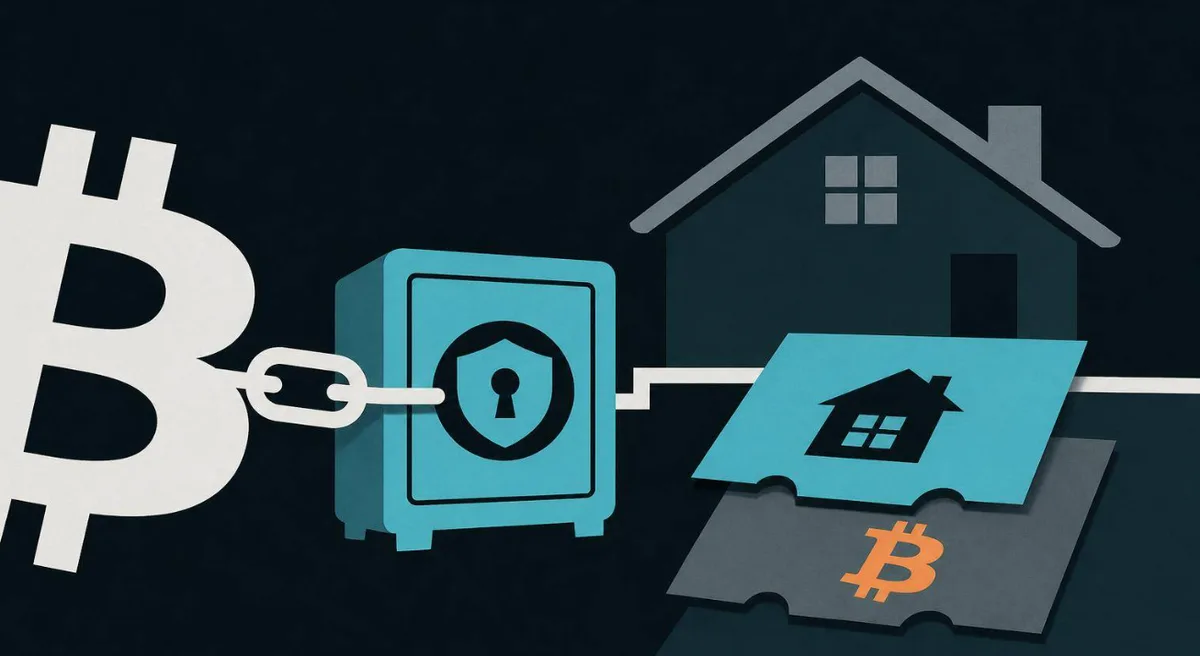
Coinbase and Better Mortgage can rehypothecate your bitcoin collateral. Here is what every corporate treasurer needs to check.
When I first read the product terms on the Coinbase–Better Mortgage offering, I did a second pass. Not because the product is unusual in isolation, but because of one clause that most finance people would miss on a first read: the lender retains the right to reuse pledged bitcoin while the mortgage is outstanding, and the borrower cannot recover that BTC until the loan is fully repaid or refinanced. That is rehypothecation. It is dressed in mortgage documentation language, but the mechanics are identical to what took Celsius Network down in 2022 and what contributed to the MF Global collapse in 2011. If your corporate treasury holds bitcoin and you are considering any form of collateral-backed financing, this product is not a retail curiosity. It is a signal about where institutional bitcoin lending is heading, and you need a framework before you engage with any of it.
What the Coinbase–Better Mortgage structure actually does
The product, reported by CoinDesk in September 2026, allows borrowers to pledge bitcoin as collateral to secure a conventional mortgage through Better Mortgage, with Coinbase acting as the custody and collateral management layer. The headline appeal is straightforward: you keep your BTC exposure while accessing dollar liquidity through a mortgage rather than a sale.
The operative risk is in the collateral treatment. Rehypothecation, for any reader less familiar with the term, is the practice of a financial institution reusing collateral posted by a client for its own financing or lending purposes. The pledged asset does not sit inert in a segregated account. It circulates. In traditional prime brokerage, this is standard. Hedge funds negotiate rehypothecation limits as a core part of their prime brokerage agreements. In crypto lending, the same mechanics apply but with far less regulatory infrastructure around collateral recovery in a default scenario.
The specific concern here is not that rehypothecation is inherently fraudulent. It is tha