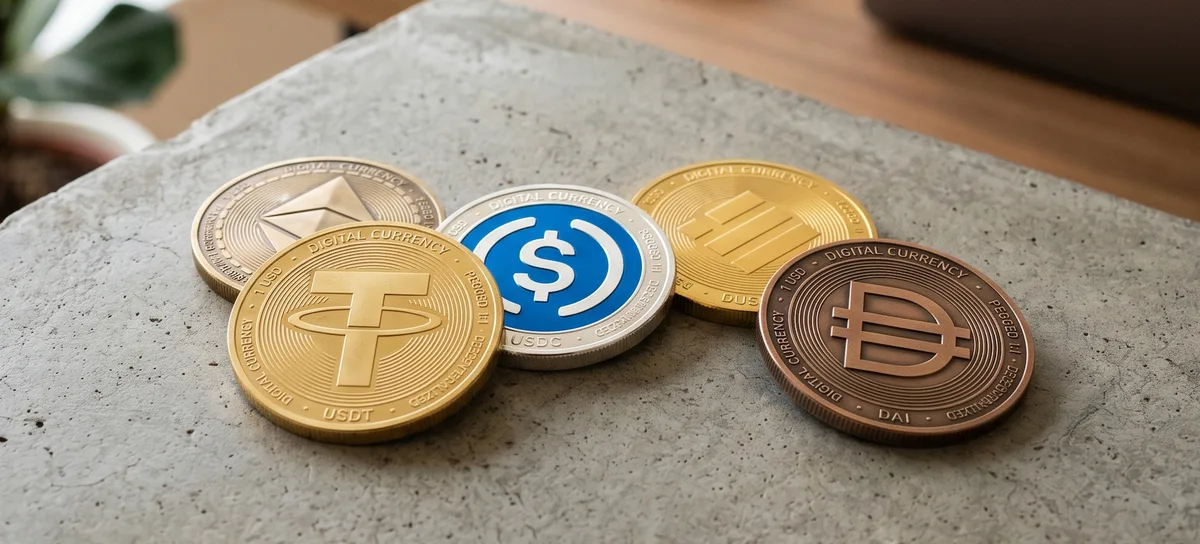
Stablecoins are digital fiat, not crypto. Here is why that distinction matters for banks.
I was recently at the MoneyLive Summit in London, and one thing kept coming up: the automatic association of stablecoins with crypto. The moment someone used the word "stablecoin," the conversation would drift toward speculation, volatility, and risk committees shutting things down before the actual use case had even been explained. It happened across multiple conversations, with people from serious institutions who were genuinely trying to think this through. That is not a technology problem. It is a framing problem. And it is costing banks real ground.
The label is doing serious damage
When most people in traditional finance hear "crypto," they hear a specific set of associations: volatile assets, speculative trading, retail mania, and, most recently, the institutional wreckage of FTX. Those associations are not irrational. They are the product of watching a space cycle through boom and collapse more than once.
But a USD-backed stablecoin is not Bitcoin. It does not float against the dollar. It does not go to zero. It has no speculative use case. It is, in the most literal operational sense, a dollar that has been tokenised and placed on a blockchain rail. The underlying asset is a dollar. The reserve is dollars (or short-dated US Treasury bills). The instrument redeems at one dollar. The blockchain is the settlement mechanism, not the asset class.
Calling that "crypto" is like calling a SWIFT wire transfer a foreign exchange trade because both involve numbers moving across a network. The category is wrong. And when the category is wrong, the risk assessment is wrong, and the decision is wrong.
What stablecoins are actually doing in the market right now
The market has moved well past the theoretical stage. Stablecoin transaction volume in 2024 exceeded $27 trillion, according to Visa's onchain analytics data, which tracks adjusted stablecoin settlement volume. That figure is larger than the combined annual transaction volume of Visa and Mastercard. The instr